

Water systems for homes in rural or semi-rural settings often rely on private wells. These systems operate as a delicate, interconnected loop where the pump, the storage mechanism, and the home’s plumbing work in concert. A fundamental component in this loop is the storage vessel that manages the flow and pressure of water, ensuring that taps and appliances receive a steady, reliable supply without requiring the pump to activate constantly. That steady supply depends on a pressure tank for well pump systems working as intended.
While these devices often sit tucked away in a basement or utility room, they perform a role that is essential for the longevity of the entire water system. Understanding how these tanks function over time helps residents anticipate maintenance needs and avoid the frustration of a sudden loss of water access. In short, a pressure tank for well pump systems protects both comfort and equipment life.
The Early Stage of System Operation: Pressure Tank for Well Pump Systems
When a well system is first installed, the equipment typically functions with high efficiency. The pump draws water from the well, and the pressure tank for well pump assemblies store that water under a controlled cushion of air. This air cushion is the mechanism that allows for consistent pressure at the faucet. That cushion is the core job of a pressure tank for well pump systems.
During the initial years, the primary focus for a homeowner is simply observing how the system behaves under normal usage. A well-designed setup provides a smooth transition between the pump running and the water being drawn from the stored reserve. If the system is correctly sized for the household’s water needs, the pump should run long enough to refill the tank properly, then shut off and remain idle while the home consumes the stored water. This cycle of “run-time” versus “rest-time” is the key to preventing premature wear on the pump motor.
What Changes as Your System Ages
As the years pass, the internal components of a water system naturally face the stressors of constant operation and water exposure. The most significant shift often involves the balance between the water and the air charge inside the tank. Over long periods, the air pressure which is essentially a trapped bubble acting as a spring can slowly diminish. Over time, that balance is what a pressure tank for well pump systems must maintain.
This change is rarely abrupt. Instead, homeowners might notice subtle shifts in how the home’s plumbing reacts. For instance, the water pressure might begin to pulse slightly when a shower is running, or the pump might begin to cycle on and off with greater frequency than it did previously. These signs are often indicators that the system is losing its ability to buffer effectively. Those subtle shifts often point back to a pressure tank for well pump systems losing its buffer.
Many residents find that routine monitoring of the system’s behavior acts as an early warning system. By occasionally listening for the sound of the pump or checking the pressure gauge during low-usage hours, it is often possible to catch small performance drifts before they turn into larger, more disruptive issues.
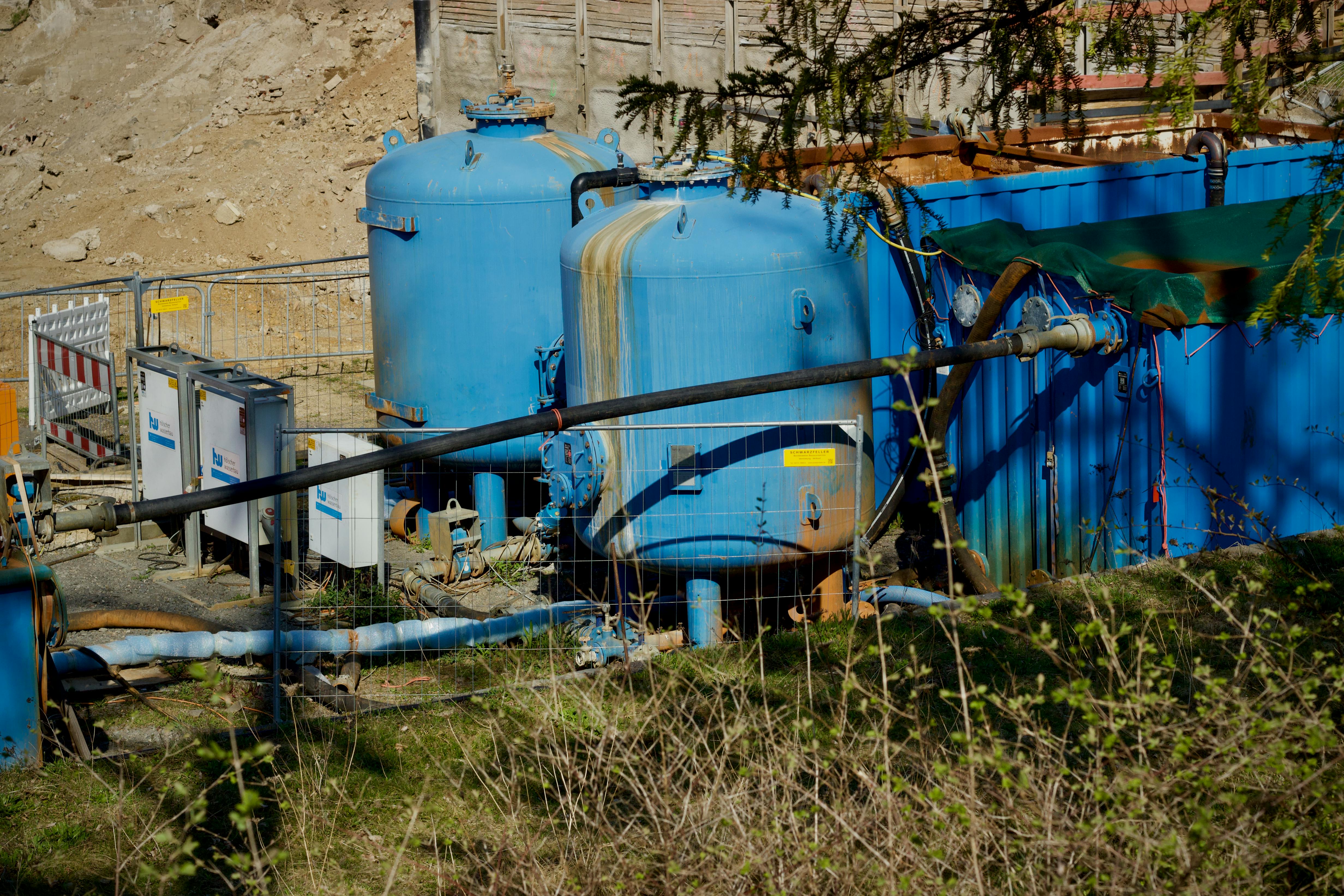
Identifying Signs That a Pressure Tank for Well Pump Systems Needs Adjustments
When a system begins to deviate from its normal pattern, it is helpful to understand the difference between manageable maintenance and the need for a more specialized professional intervention. A common concern that arises is the loss of the pre-charged air cushion. If the system is otherwise in good condition, a professional can often restore the proper air pressure using the service valve, effectively resetting the tank’s ability to act as a buffer. A professional can confirm whether a pressure tank for well pump systems simply needs its air charge restored.
However, there are clearer signals that the equipment may be reaching the end of its reliable service life. If the pump begins to cycle rapidly turning on and off every few seconds this suggests that the tank is no longer holding a proper air cushion, often due to an issue with the internal bladder or diaphragm. In many cases, if the bladder has lost its integrity, the tank will require replacement.
When noticing these performance changes, asking the right questions of a local service provider can clarify the situation. Useful inquiries include:
- “What do the current pressure readings indicate about the state of the bladder?”
- “Are the pump’s current run times within a standard range for my specific system setup?”
- “Is the rapid cycling an isolated issue with the air charge, or does it point to a broader mechanical failure?”
Engaging a professional to perform a system check provides a clearer picture of whether a simple adjustment can restore efficiency or if the equipment has reached a stage where replacement is the more reliable path forward. That check gives a clear picture of how a pressure tank for well pump systems is performing.
Sustaining Results and System Reliability Over the Long Term
Maintaining a functional water supply is less about occasional emergency fixes and more about consistent, preventive care. For those relying on well water, finding a trusted partner for clear water services and pump maintenance is a valuable step toward long-term peace of mind. A reliable service partner can conduct periodic inspections that go beyond the tank itself, examining the pressure switch, electrical connections, and overall pump performance. That partnership supports a pressure tank for well pump systems through every season of use.
Taking a proactive approach to clear water services also means staying mindful of how water quality might affect equipment. Minerals and other elements present in well water can sometimes lead to buildup within the plumbing and the tank itself. Regular system evaluations ensure that these external variables are managed properly, preventing them from shortening the lifespan of your mechanical components.
Ultimately, the goal of managing your well system is to ensure that the infrastructure remains invisible and reliable. By paying attention to the operational rhythms of your pump and tank, and by scheduling professional maintenance to address minor drifts before they become major repairs, you can ensure that your home’s water supply remains dependable for the long haul. This focus on preventative awareness allows residents to move away from the cycle of reacting to failures and instead move toward a more stable and efficient model of home water management. That steady rhythm depends on a pressure tank for well pump systems doing its quiet work well.
Why a Pressure Tank for Well Pump Systems Matters for Long-Term Reliability
As the years progress, the value of a well-maintained system becomes clear. Reliability is built through the steady, quiet work of the pressure tank, supported by a homeowner who understands when to observe and when to call for professional assistance. Focusing on the long-term health of your equipment ensures that your water supply continues to meet your household’s needs without the stress of unexpected interruptions.
