
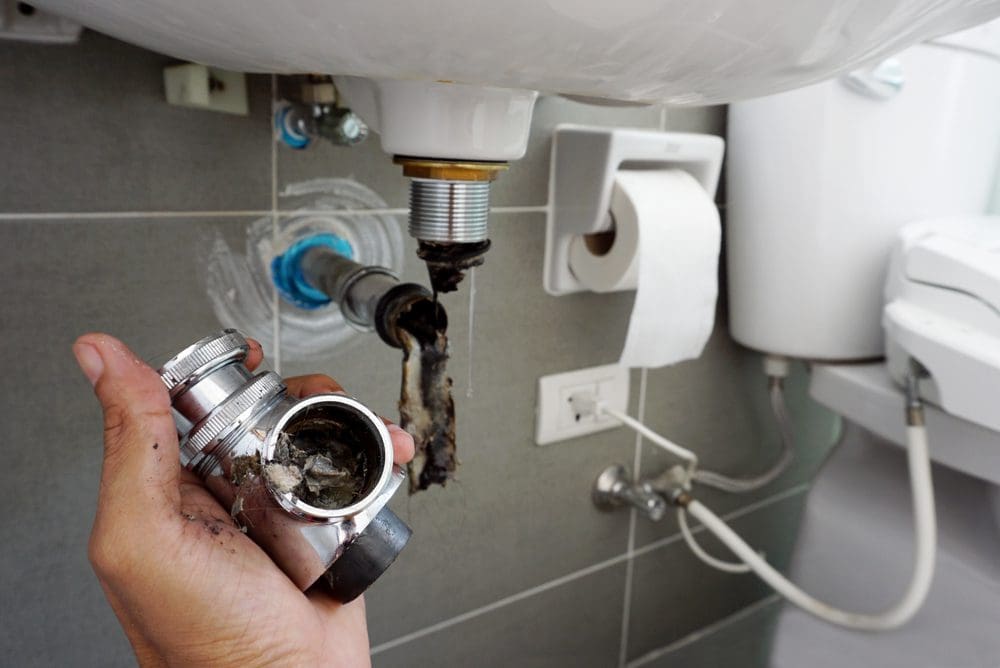
Homeowners often face a difficult choice when faced with a slow-draining sink or a persistent backup: should they attempt a quick fix or reach out to a professional? This decision typically rests on whether the issue is a minor surface obstruction or a deeper structural failure in the plumbing network. Understanding the difference is vital for protecting the home from long-term damage.
Evaluating Plumbing Obstructions and System Health
When a drain slows down, it is common to wonder if the problem is localized or part of a larger, hidden issue. A simple clog, such as hair caught in a shower drain or debris in a kitchen trap, can often be managed with basic, non-abrasive tools. However, these surface-level solutions frequently fail to address the actual source of the problem, especially when the issue is recurring.
Professional drain cleaning plumber services offer a deeper level of assessment. Instead of just clearing the immediate obstruction, these specialists often use specialized equipment to investigate the integrity of the entire system. A slow drain can sometimes be a warning sign of an underlying issue, such as a partial blockage in the main line or a build-up of minerals that has narrowed the pipe’s internal diameter. For residents of many areas, environmental factors like shifting ground or aging infrastructure can also contribute to these common household issues.
Distinguishing Between Routine Maintenance and Major Repairs
The distinction between routine cleaning and complex repairs is often a matter of scope. Many homeowners find that scheduling regular maintenance is a proactive way to avoid the inconvenience of a complete system failure. This approach typically involves a thorough inspection and a mechanical cleaning process designed to remove buildup before it hardens into a complete obstruction.
In contrast, sewer line repair represents a more significant intervention. This level of service is generally required when the integrity of the pipe itself is compromised. Potential indicators of a major issue might include persistent, unexplained wet spots in the yard, foul odors around the property, or multiple fixtures backing up simultaneously. Because these signs can point to complex structural concerns, they often require a specialized diagnostic process to determine the exact location and nature of the damage. A thorough inspection allows the service provider to evaluate whether the pipe can be restored or if a more comprehensive solution is necessary.
Factors Influencing the Decision for Professional Intervention
Choosing the right time to call for help is a balance of observation and caution. A thoughtful homeowner looks for patterns rather than isolated events. For instance, if water drains slowly even after a manual cleaning attempt, or if a gurgling sound persists throughout the plumbing system, it may be time to seek a professional opinion.
When interviewing potential service providers, the focus should be on the quality of their diagnostic approach. A professional provider will often begin by asking about the history of the issue and the age of the property, as these details provide essential context. In many cases, the use of a camera for visual inspection is a hallmark of a reliable service. This technology allows the plumber to show the homeowner the exact condition of the interior of the pipe, moving the conversation from speculation to evidence. Providing clear information about the findings helps the homeowner make an informed decision without feeling pressured.
Aligning Service Choices with Home Needs
Every home has unique plumbing characteristics, and aligning the right service with those needs is essential for long-term reliability. For some, a preventive maintenance plan is the most effective way to ensure the system remains functional through all seasons. For others, particularly those in older homes, periodic diagnostic check-ups provide peace of mind by catching small issues before they escalate.
It is helpful to view professional plumbing services as a form of stewardship for the property. By establishing a relationship with a skilled provider, homeowners gain a better understanding of how their specific system behaves and what kind of care it requires. This partnership model is generally more sustainable than waiting for an emergency to occur.
When selecting a professional, look for those who prioritize clear communication and educational transparency. A technician who takes the time to explain the mechanism behind a clog or the reason for a specific repair recommendation is often the best indicator of a reliable, high-quality service provider. The goal is to move from a reactive, crisis-driven mindset to a proactive, informed approach that keeps the home’s plumbing infrastructure operating smoothly. By choosing to work with experienced professionals for drain cleaning plumber tasks and comprehensive sewer line repair assessments, you empower yourself to make decisions that prioritize the long-term health and stability of your home


